
Rubber Turnip
| Stuff |
| usr local bin Blog Blog Archive Photo Gallery Yes, Minister |
| Links |
| Pinnacle Linux GNOME Soul Survivor |
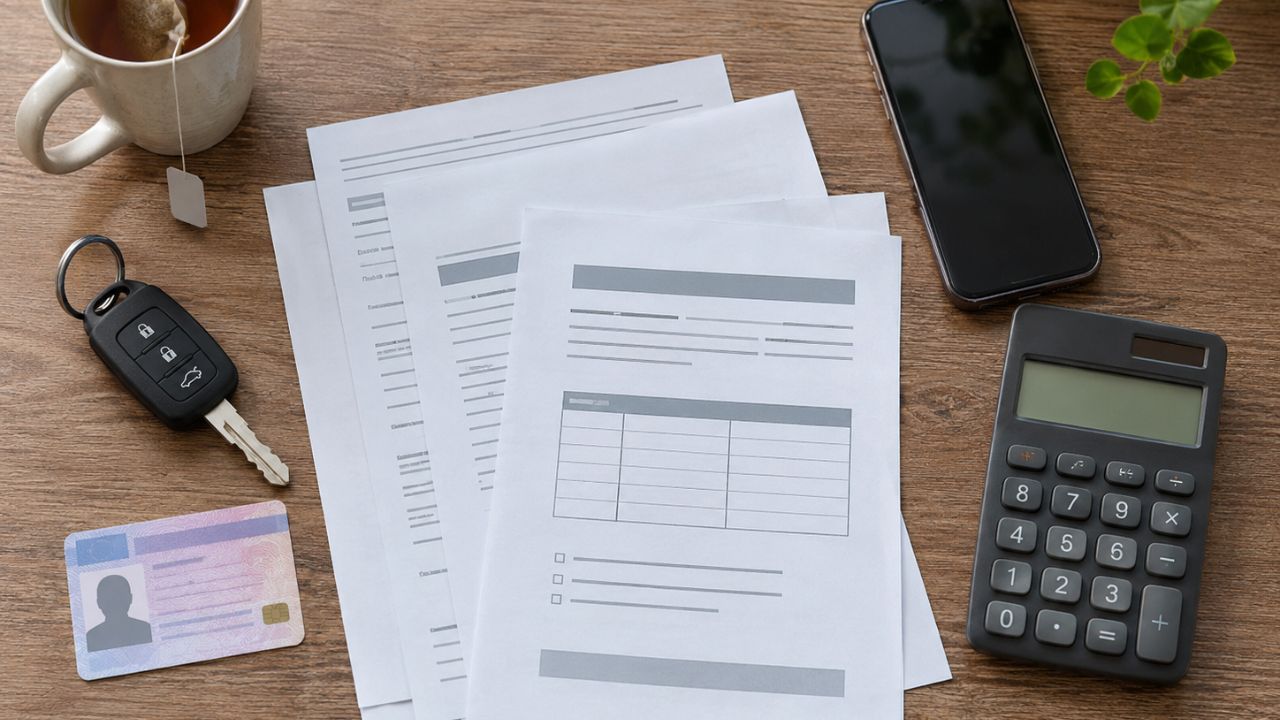
The 7 Biggest Effects of a DG10 Conviction on Your Licence, Insurance and Job
The 7 Biggest Effects of a DG10 Conviction on Your Licence, Insurance and Job
Drug Driving Solicitors, a team of defence lawyers specialising in drug driving charges, serves clients across England and Wales and published this guide
Being charged with drug driving, or being convicted of it, naturally prompts questions about DG10. Here is the core of the answer for England and Wales: a driving ban of at least 12 months, an endorsement on the licence that lasts 11 years, and insurance bills that usually climb.
None of this is easy to face after a first drug driving offence. Still, drivers sometimes assume the worst: a number of the consequences do not last as long as feared, and some can be reduced.
Below are the seven main effects of a DG10 conviction on your licence, insurance, criminal record, job and travel, plus the steps open to you afterwards.
Minimum Bans: 12 Months, Two Years or Three Years
A conviction coded DG10 leads to compulsory disqualification from driving for no less than 12 months. First-time offenders are not exempt. The code belongs to the Driver and Vehicle Licensing Agency (DVLA), which uses it for driving with a specified drug in the blood above the legal limit, an offence under section 5A of the Road Traffic Act 1988.
Three years is the minimum ban if you have a relevant drink- or drug-driving conviction, or certain other qualifying motoring convictions involving obligatory disqualification, within the ten years before the current offence.
A separate rule gives a minimum of two years to a person who has been disqualified at least twice for periods of 56 days or more in the three years before the current offence.
Which of these rules applies depends on your previous convictions and disqualification history.
Living With an 11-Year Endorsement
The DG10 endorsement occupies your driving record for 11 years starting on the date of conviction, which is far beyond the four years usual for most motoring endorsements.
It is not a ban in disguise. After the disqualification ends and you hold a valid licence, driving resumes.
Visibility remains the issue. Employers, car hire companies and any other party you allow to check your licence can view the DG10 across all 11 years.
Drug Driving Bans and the Absence of a Reduction Course
No, a course cannot shorten a drug driving ban at present. For drink-drive offenders, a rehabilitation course may be on offer and typically reduces the ban by around a quarter. Drug-drive offenders are not eligible, and no national equivalent exists. The full ban imposed by the court is therefore what most people serve.
Change is possible given the Government’s recent consultation on drink and drug driving penalties.
After the ban, the licence does not come back on its own. When the ban lasted 56 days or more, you must apply to the DVLA for a new licence before you drive.
Fines, Prison and Where a First Offence Usually Lands
Magistrates’ courts deal with drug driving. Besides the ban, the heaviest penalties available are an unlimited fine and imprisonment of up to six months.
A fine, together with a ban at or around the minimum, is how a first offence without aggravating features tends to be dealt with.
Magistrates follow the Sentencing Council guidelines. Aggravating factors include driving commercially, alcohol or another drug in the blood and poor driving, any of which can lift a case into a higher category and bring a longer ban or community order. Custody is possible but uncommon, and it is generally reserved for the most serious cases.
Heading for court after a first drug driving offence? Drug Driving Solicitors can review the case and explain how mitigation may affect the sentence.
The Insurance Bill After a DG10
Insurance is frequently where a DG10 has its longest practical effect. A drug driving conviction usually drives premiums up significantly, while many mainstream insurers decline cover as long as the conviction is unspent.
It is possible that certain insurers will refuse to insure you or charge substantially higher premiums after a drug-driving conviction. Read applications carefully and answer truthfully.
Spent convictions usually do not have to be disclosed under the Rehabilitation of Offenders Act 1974, but the applicable rules and each question’s exact wording are worth checking. Specialist brokers covering convicted drivers may be able to help locate suitable cover.
When Does the Conviction Fall Away for Disclosure Purposes?
Besides being a driving endorsement, a DG10 is a criminal conviction. The sentence imposed and your age govern when it becomes spent under the Rehabilitation of Offenders Act 1974.
Adults who receive the usual fine and driving endorsement are generally treated as spent five years after the date of conviction, unless a longer rehabilitation period applies. A disqualification brings its own rehabilitation period, and the longest applicable period determines when the conviction becomes spent. Other sentences can change the calculation.
Spent status generally means a basic Disclosure and Barring Service (DBS) check omits the conviction and you usually need not declare it to most employers or insurers. Higher-level checks, for example those used for roles working with children, may follow different rules.
The DG10 itself, however, can still show on your DVLA record for the full 11 years.
Work Commitments and Visa Applications
It may affect both. Anyone driving for work can feel a ban immediately, and a contract may call for the conviction to be reported. Licence checks by employers will bring up the DG10, and there may be additional reporting duties in regulated professions such as healthcare, law and teaching.
Travel can be affected too. Questions about criminal convictions or drug-related offences appear on visa and entry applications for some countries, the USA and Canada among them. Make sure you have studied the entry requirements before committing to a booking.
What to Do Next If You Are Facing a DG10 Charge
DG10 consequences are serious. Even so, plenty are time-limited, and a few can be reduced.
Prior to conviction, the case against you may be open to challenge on its evidence. In a case where conviction is likely, mitigation of real strength may still affect the extent of the ban above the minimum and the fine’s size. Guarantees of any specific outcome are not possible, given that cases depend on their own facts.
You may have been charged with drug driving, be waiting for blood test results or already be convicted. For anyone charged with drug driving, awaiting blood test results or convicted, Drug Driving Solicitors can offer tailored advice. Expect an initial consultation to cover your legal position, the potential consequences and the available options.
This is general information about the law in England and Wales and not legal advice, so do take advice that fits your own circumstances. Please seek advice on your own circumstances.
Answers to Four Common Questions
What Is the Penalty Points Range for a DG10?
A DG10 endorsement carries 3 to 11 penalty points. A standard section 5A drug-driving conviction also obliges the court to impose a disqualification of at least 12 months. The endorsement is kept on your driving record for 11 years from the date of conviction.
Is a DG10 Ever Taken Off a Licence Before the 11 Years End?
Only a successful appeal against the conviction does this. Otherwise it stays on the driving record for 11 years from the date of conviction.
Does a Second Offence Carry a Heavier Minimum Than a First?
It does. The minimum for a first offence is a 12-month ban, but where a relevant drink- or drug-driving conviction falls in the previous ten years, the minimum becomes three years.
Am I Obliged to Inform My Employer About a DG10?
It depends on your job and your contract. Drivers for work, and those whose employers check their licence, will usually need to tell them. Your employment contract and applicable professional rules are the documents to consult.
Drug Driving Solicitors is a specialist law firm handling drug driving cases across England and Wales. Those who are facing drug driving charges, or who have been convicted and need to understand their position, are welcome to call, or visit drugdrivingsolicitors.co.uk, for a free initial consultation. Early advice costs nothing, and it may well decide how a case ends.